AI Entrepreneur Hub

posted in

๐—”๐—œ ๐—ก๐—˜๐—ช๐—ฆ ๐—ง๐—›๐—”๐—ง ๐— ๐—”๐—ง๐—ง๐—˜๐—ฅ๐—ฆ ๐—ง๐—ข ๐—˜๐—ก๐—ง๐—ฅ๐—˜๐—ฃ๐—ฅ๐—˜๐—ก๐—˜๐—จ๐—ฅ๐—ฆ September 4, 2026

๐—ง๐—›๐—˜ ๐Ÿฒ๐Ÿฌ-๐—ฆ๐—˜๐—–๐—ข๐—ก๐—— ๐—ง๐—”๐—ž๐—˜

This was a consequential AI day, and the most important stories were not obscure product launches. OpenAI began rolling out GPT-6 Astra with a much bigger emphasis on computer use and real business work; Google launched voice-driven Gmail, Docs, and Keep workflows; NVIDIA agreed to acquire Hugging Face for $12.93 billion; and OpenAI, Claude, and Grok all experienced meaningful service disruptions on Thursday.

The legal and security picture also moved. A top Pentagon official said Anthropic remains a supply-chain risk for defense work despite the company's August 27 district-court win, Hermes Agent disclosed a high-severity code-execution vulnerability, and OpenAI added direct Zendesk and OneNote integrations while Google gave Workspace admins audit logs for Gemini Notebook.

The practical theme is simple: AI is becoming more capable and more embedded in the systems where work happens. That increases the upside of delegation, but it also makes permissions, patching, vendor concentration, service redundancy, and auditability more important.

๐—จ๐—ฃ๐——๐—”๐—ง๐—˜: ๐—š๐—ฃ๐—ง-๐Ÿฒ ๐—”๐—ฆ๐—ง๐—ฅ๐—” ๐—œ๐—ฆ ๐—ก๐—ข๐—ช ๐—ฅ๐—ข๐—Ÿ๐—Ÿ๐—œ๐—ก๐—š ๐—ข๐—จ๐—ง, ๐—”๐—ก๐—— ๐—–๐—ข๐— ๐—ฃ๐—จ๐—ง๐—˜๐—ฅ ๐—จ๐—ฆ๐—˜ ๐—œ๐—ฆ ๐—ง๐—›๐—˜ ๐—•๐—œ๐—š๐—š๐—˜๐—ฅ ๐—ฆ๐—ง๐—ข๐—ฅ๐—ฌ

๐—ฆ๐—ต๐—ผ๐˜‚๐—น๐—ฑ ๐˜†๐—ผ๐˜‚ ๐—ฐ๐—ฎ๐—ฟ๐—ฒ? 5/5

Worth testing

๐—ช๐—ต๐—ฎ๐˜ ๐—ต๐—ฎ๐—ฝ๐—ฝ๐—ฒ๐—ป๐—ฒ๐—ฑ:

We previously covered OpenAI's announcement that Astra had crossed its Critical cybersecurity threshold. On September 3, OpenAI began a phased rollout of GPT-6 Astra to a limited set of organizations, with Plus, Pro, Business, and Enterprise users, API customers, Microsoft Azure, and AWS Bedrock scheduled to follow over the coming days. OpenAI says Astra can fill online forms, update CRM records, organize calendars, conduct web research, draft work inside email and document tools, and create polished documents, spreadsheets, presentations, websites, and web apps.

OpenAI lists standard API pricing at $10 per million input tokens and $50 per million output tokens. Astra usage is included inside existing subscription allowances, with additional credits available. Enterprise administrators must explicitly enable Astra because access is off by default at launch.

๐—ช๐—ต๐˜† ๐—ถ๐˜ ๐—บ๐—ฎ๐˜๐˜๐—ฒ๐—ฟ๐˜€ ๐˜๐—ผ ๐˜†๐—ผ๐˜‚๐—ฟ ๐—ฏ๐˜‚๐˜€๐—ถ๐—ป๐—ฒ๐˜€๐˜€:

The shift is from asking AI for an answer to supervising AI while it works across software. If the computer-use improvements hold up outside vendor demos, recurring browser and desktop work may become substantially easier to delegate without custom integrations for every single application.

The caution matters too. Astra is OpenAI's first broadly deployed model at its Critical cyber threshold, and OpenAI says additional monitoring can slow, pause, or stop legitimate work when safeguards detect potentially unauthorized behavior.

๐—ช๐—ต๐—ผ ๐—ฏ๐—ฒ๐—ป๐—ฒ๐—ณ๐—ถ๐˜๐˜€ ๐—บ๐—ผ๐˜€๐˜:

Entrepreneurs, agencies, consultants, operations teams, developers, researchers, and businesses with repetitive browser, document, spreadsheet, CRM, or administrative workflows.

๐—ฌ๐—ผ๐˜‚๐—ฟ ๐—ป๐—ฒ๐˜…๐˜ ๐—บ๐—ผ๐˜ƒ๐—ฒ:

Choose one low-risk browser task you repeat every week. Write down the exact start state, desired result, systems it may access, and the action that still requires your approval. When Astra reaches your account, test that one workflow before expanding its permissions.

--------------------

๐—š๐—ข๐—ข๐—š๐—Ÿ๐—˜ ๐—œ๐—ฆ ๐—ง๐—จ๐—ฅ๐—ก๐—œ๐—ก๐—š ๐—š๐— ๐—”๐—œ๐—Ÿ, ๐——๐—ข๐—–๐—ฆ, ๐—”๐—ก๐—— ๐—ž๐—˜๐—˜๐—ฃ ๐—œ๐—ก๐—ง๐—ข ๐—ฉ๐—ข๐—œ๐—–๐—˜-๐——๐—ฅ๐—œ๐—ฉ๐—˜๐—ก ๐—ช๐—ข๐—ฅ๐—ž๐—ฆ๐—ฃ๐—”๐—–๐—˜๐—ฆ

๐—ฆ๐—ต๐—ผ๐˜‚๐—น๐—ฑ ๐˜†๐—ผ๐˜‚ ๐—ฐ๐—ฎ๐—ฟ๐—ฒ? 5/5

Worth testing

๐—ช๐—ต๐—ฎ๐˜ ๐—ต๐—ฎ๐—ฝ๐—ฝ๐—ฒ๐—ป๐—ฒ๐—ฑ:

Google launched Gmail Live, Docs Live, and Keep Live on September 3. Gmail Live lets users ask conversational questions about information buried in their inbox. Docs Live can turn a spoken conversation into a structured draft and, with permission, use context from Gmail, Drive, Chat, and the web. Keep Live turns spoken brain dumps into organized notes and lists.

Google says Gmail Live and Keep Live are rolling out to Google AI Plus, Pro, and Ultra subscribers, while Docs Live is rolling out to Pro and Ultra subscribers. Google Workspace business support is coming soon.

๐—ช๐—ต๐˜† ๐—ถ๐˜ ๐—บ๐—ฎ๐˜๐˜๐—ฒ๐—ฟ๐˜€ ๐˜๐—ผ ๐˜†๐—ผ๐˜‚๐—ฟ ๐—ฏ๐˜‚๐˜€๐—ถ๐—ป๐—ฒ๐˜€๐˜€:

Voice is becoming an input method for real work, not only dictation. An entrepreneur driving between meetings, walking a jobsite, or thinking through an idea can increasingly search business information, build a draft, or organize notes without first sitting down at a keyboard.

๐—ช๐—ต๐—ผ ๐—ฏ๐—ฒ๐—ป๐—ฒ๐—ณ๐—ถ๐˜๐˜€ ๐—บ๐—ผ๐˜€๐˜:

Entrepreneurs, consultants, salespeople, creators, field-service owners, executives, coaches, and anyone whose best thinking often happens away from a desk.

๐—ฌ๐—ผ๐˜‚๐—ฟ ๐—ป๐—ฒ๐˜…๐˜ ๐—บ๐—ผ๐˜ƒ๐—ฒ:

If you have access, test one read-only Gmail Live request or one Keep Live brain dump. If you use Workspace for business and do not have access yet, identify the voice workflow you want to test when the business rollout reaches you.

--------------------

๐—ก๐—ฉ๐—œ๐——๐—œ๐—” ๐—”๐—š๐—ฅ๐—˜๐—˜๐—— ๐—ง๐—ข ๐—•๐—จ๐—ฌ ๐—›๐—จ๐—š๐—š๐—œ๐—ก๐—š ๐—™๐—”๐—–๐—˜ ๐—™๐—ข๐—ฅ $๐Ÿญ๐Ÿฎ.๐Ÿต๐Ÿฏ ๐—•๐—œ๐—Ÿ๐—Ÿ๐—œ๐—ข๐—ก

๐—ฆ๐—ต๐—ผ๐˜‚๐—น๐—ฑ ๐˜†๐—ผ๐˜‚ ๐—ฐ๐—ฎ๐—ฟ๐—ฒ? 4/5

Watch, don't rush

๐—ช๐—ต๐—ฎ๐˜ ๐—ต๐—ฎ๐—ฝ๐—ฝ๐—ฒ๐—ป๐—ฒ๐—ฑ:

NVIDIA announced September 3 that it has agreed to acquire Hugging Face for $12.9303 billion. NVIDIA says Hugging Face will remain an open platform where developers can choose their models, frameworks, clouds, inference providers, and computing platforms, and that NVIDIA hardware will not be required.

NVIDIA says more than 18 million developers, researchers, and creators use Hugging Face, with more than 3 million models, 500,000 datasets, 1 million applications, and more than 200,000 companies using the platform.

๐—ช๐—ต๐˜† ๐—ถ๐˜ ๐—บ๐—ฎ๐˜๐˜๐—ฒ๐—ฟ๐˜€ ๐˜๐—ผ ๐˜†๐—ผ๐˜‚๐—ฟ ๐—ฏ๐˜‚๐˜€๐—ถ๐—ป๐—ฒ๐˜€๐˜€:

Hugging Face is foundational infrastructure for the open-model ecosystem, while NVIDIA is the dominant AI-chip supplier. Putting those two organizations together could improve infrastructure and deployment, but it also concentrates more of the AI stack under one company.

The right response today is not panic. NVIDIA is explicitly promising platform neutrality. The thing to watch is whether pricing, default infrastructure choices, discovery, model hosting, or cloud neutrality change after the transaction closes.

๐—ช๐—ต๐—ผ ๐—ฏ๐—ฒ๐—ป๐—ฒ๐—ณ๐—ถ๐˜๐˜€ ๐—บ๐—ผ๐˜€๐˜:

Developers, AI agencies, software companies, technical consultants, businesses using open models, and teams that depend on Hugging Face for model discovery, hosting, datasets, or inference.

๐—ฌ๐—ผ๐˜‚๐—ฟ ๐—ป๐—ฒ๐˜…๐˜ ๐—บ๐—ผ๐˜ƒ๐—ฒ:

If Hugging Face is part of a production workflow, document exactly what you depend on: model IDs, datasets, hosted endpoints, Spaces, and deployment assumptions. Make sure your critical assets can be recreated somewhere else if future terms change.

--------------------

๐—ข๐—ฃ๐—˜๐—ก๐—”๐—œ, ๐—–๐—Ÿ๐—”๐—จ๐——๐—˜, ๐—”๐—ก๐—— ๐—š๐—ฅ๐—ข๐—ž ๐—”๐—Ÿ๐—Ÿ ๐—›๐—”๐—— ๐— ๐—˜๐—”๐—ก๐—œ๐—ก๐—š๐—™๐—จ๐—Ÿ ๐—ข๐—จ๐—ง๐—”๐—š๐—˜๐—ฆ ๐—ข๐—ก ๐—ง๐—›๐—จ๐—ฅ๐—ฆ๐——๐—”๐—ฌ

๐—ฆ๐—ต๐—ผ๐˜‚๐—น๐—ฑ ๐˜†๐—ผ๐˜‚ ๐—ฐ๐—ฎ๐—ฟ๐—ฒ? 4/5

Risk check

๐—ช๐—ต๐—ฎ๐˜ ๐—ต๐—ฎ๐—ฝ๐—ฝ๐—ฒ๐—ป๐—ฒ๐—ฑ:

Anthropic reported elevated errors across multiple Claude models on September 3, with the larger incident ending at 12:16 PM ET. xAI reported a Grok model outage beginning around 9:30 AM ET and lasting roughly three and a half hours across web, mobile, X, and API surfaces. OpenAI later reported elevated errors across ChatGPT and Codex from 2:43 PM ET until 4:55 PM ET.

There is no evidence that these incidents shared a common cause.

๐—ช๐—ต๐˜† ๐—ถ๐˜ ๐—บ๐—ฎ๐˜๐˜๐—ฒ๐—ฟ๐˜€ ๐˜๐—ผ ๐˜†๐—ผ๐˜‚๐—ฟ ๐—ฏ๐˜‚๐˜€๐—ถ๐—ป๐—ฒ๐˜€๐˜€:

If AI is part of client delivery, coding, research, customer service, or internal operations, model quality is only one part of reliability. Your workflow also depends on provider infrastructure, authentication, front ends, APIs, and networks.

A business process that stops completely when one AI vendor is unavailable has created a new single point of failure.

๐—ช๐—ต๐—ผ ๐—ฏ๐—ฒ๐—ป๐—ฒ๐—ณ๐—ถ๐˜๐˜€ ๐—บ๐—ผ๐˜€๐˜:

AI agencies, software teams, consultants, content teams, businesses running recurring agents, and anyone who uses AI inside deadline-sensitive work.

๐—ฌ๐—ผ๐˜‚๐—ฟ ๐—ป๐—ฒ๐˜…๐˜ ๐—บ๐—ผ๐˜ƒ๐—ฒ:

Pick the one AI workflow that would hurt most if your preferred provider were unavailable for four hours. Write down one acceptable fallback: another model, another interface, an API route, or a manual procedure.

--------------------

๐—จ๐—ฃ๐——๐—”๐—ง๐—˜: ๐—ง๐—›๐—˜ ๐—ฃ๐—˜๐—ก๐—ง๐—”๐—š๐—ข๐—ก ๐—ฆ๐—”๐—ฌ๐—ฆ ๐—”๐—ก๐—ง๐—›๐—ฅ๐—ข๐—ฃ๐—œ๐—– ๐—œ๐—ฆ ๐—ฆ๐—ง๐—œ๐—Ÿ๐—Ÿ ๐—” ๐——๐—˜๐—™๐—˜๐—ก๐—ฆ๐—˜ ๐—ฆ๐—จ๐—ฃ๐—ฃ๐—Ÿ๐—ฌ-๐—–๐—›๐—”๐—œ๐—ก ๐—ฅ๐—œ๐—ฆ๐—ž

๐—ฆ๐—ต๐—ผ๐˜‚๐—น๐—ฑ ๐˜†๐—ผ๐˜‚ ๐—ฐ๐—ฎ๐—ฟ๐—ฒ? 4/5

Risk check

๐—ช๐—ต๐—ฎ๐˜ ๐—ต๐—ฎ๐—ฝ๐—ฝ๐—ฒ๐—ป๐—ฒ๐—ฑ:

On September 3, Pentagon research and engineering chief Emil Michael said Anthropic is still considered a supply-chain risk by the Defense Department and the defense industrial base. That came after Commerce Secretary Howard Lutnick said the government trusts Anthropic, highlighting an unresolved split inside the administration.

The legal picture is also split. U.S. District Judge Rita Lin ruled on August 27 that the Pentagon's broader measures against Anthropic were unlawful. But Anthropic is separately challenging another supply-chain-risk designation under a different statute in the D.C. Circuit, and the government argued September 3 that the district-court decision does not automatically invalidate that separate designation.

๐—ช๐—ต๐˜† ๐—ถ๐˜ ๐—บ๐—ฎ๐˜๐˜๐—ฒ๐—ฟ๐˜€ ๐˜๐—ผ ๐˜†๐—ผ๐˜‚๐—ฟ ๐—ฏ๐˜‚๐˜€๐—ถ๐—ป๐—ฒ๐˜€๐˜€:

For ordinary commercial users, this does not mean Claude is broadly banned. The immediate issue is defense-related work and the companies operating inside that supply chain.

The bigger business lesson is that a court victory does not always resolve every regulatory or procurement restriction when multiple statutes and agencies are involved. Contractors should verify the exact rule that applies to a specific project instead of relying on a headline saying Anthropic either 'won' or is 'still banned.'

๐—ช๐—ต๐—ผ ๐—ฏ๐—ฒ๐—ป๐—ฒ๐—ณ๐—ถ๐˜๐˜€ ๐—บ๐—ผ๐˜€๐˜:

Defense contractors, government consultants, regulated businesses, AI implementation firms, and companies whose clients impose government-derived technology restrictions.

๐—ฌ๐—ผ๐˜‚๐—ฟ ๐—ป๐—ฒ๐˜…๐˜ ๐—บ๐—ผ๐˜ƒ๐—ฒ:

If you do defense-related work, verify current contract-specific guidance before using Claude in that workflow. If you do not, no action is needed; continue monitoring because the separate D.C. Circuit challenge remains material.

--------------------

๐—–๐—›๐—”๐—ง๐—š๐—ฃ๐—ง ๐—–๐—”๐—ก ๐—ก๐—ข๐—ช ๐—ช๐—ข๐—ฅ๐—ž ๐——๐—œ๐—ฅ๐—˜๐—–๐—ง๐—Ÿ๐—ฌ ๐—ช๐—œ๐—ง๐—› ๐—ญ๐—˜๐—ก๐——๐—˜๐—ฆ๐—ž ๐—ง๐—œ๐—–๐—ž๐—˜๐—ง๐—ฆ ๐—”๐—ก๐—— ๐—ข๐—ก๐—˜๐—ก๐—ข๐—ง๐—˜ ๐—ก๐—ข๐—ง๐—˜๐—ฆ

๐—ฆ๐—ต๐—ผ๐˜‚๐—น๐—ฑ ๐˜†๐—ผ๐˜‚ ๐—ฐ๐—ฎ๐—ฟ๐—ฒ? 4/5

Worth testing

๐—ช๐—ต๐—ฎ๐˜ ๐—ต๐—ฎ๐—ฝ๐—ฝ๐—ฒ๐—ป๐—ฒ๐—ฑ:

OpenAI added Zendesk and OneNote plugins in beta on September 3 for ChatGPT and Codex. The Zendesk plugin can review support tickets and customer history, find relevant knowledge, and prepare replies using the connected user's existing Zendesk permissions. The OneNote plugin can find and summarize notes, collect decisions and action items, and create or update notes through supported actions.

OpenAI says connecting either plugin does not expand the permissions a user already has in the underlying service, and availability can vary by workspace and rollout.

๐—ช๐—ต๐˜† ๐—ถ๐˜ ๐—บ๐—ฎ๐˜๐˜๐—ฒ๐—ฟ๐˜€ ๐˜๐—ผ ๐˜†๐—ผ๐˜‚๐—ฟ ๐—ฏ๐˜‚๐˜€๐—ถ๐—ป๐—ฒ๐˜€๐˜€:

AI becomes more useful when it works where the information already lives. For a support team, that means ticket history and knowledge. For a manager or consultant, it means project notes, decisions, and action items.

The important implementation pattern is permission inheritance: the AI should not automatically gain broader access than the person connecting it.

๐—ช๐—ต๐—ผ ๐—ฏ๐—ฒ๐—ป๐—ฒ๐—ณ๐—ถ๐˜๐˜€ ๐—บ๐—ผ๐˜€๐˜:

Customer-support teams, agencies, consultants, service businesses, Microsoft-heavy organizations, and companies already using Zendesk or OneNote.

๐—ฌ๐—ผ๐˜‚๐—ฟ ๐—ป๐—ฒ๐˜…๐˜ ๐—บ๐—ผ๐˜ƒ๐—ฒ:

If the plugin is available, start with a read-only request. In Zendesk, ask for the five most recently updated tickets without changing anything. In OneNote, ask for a summary of one known notebook or section. Confirm the results and permissions before enabling any write action.

--------------------

๐—›๐—˜๐—ฅ๐— ๐—˜๐—ฆ ๐—”๐—š๐—˜๐—ก๐—ง ๐—จ๐—ฆ๐—˜๐—ฅ๐—ฆ ๐—ฆ๐—›๐—ข๐—จ๐—Ÿ๐—— ๐—ฃ๐—”๐—ง๐—–๐—›: ๐—” ๐— ๐—”๐—Ÿ๐—œ๐—–๐—œ๐—ข๐—จ๐—ฆ ๐—ฅ๐—˜๐—ฃ๐—ข ๐—–๐—ข๐—จ๐—Ÿ๐—— ๐—˜๐—ซ๐—˜๐—–๐—จ๐—ง๐—˜ ๐—–๐—ข๐——๐—˜ ๐—•๐—˜๐—™๐—ข๐—ฅ๐—˜ ๐—ง๐—›๐—˜ ๐—™๐—œ๐—ฅ๐—ฆ๐—ง ๐—ฃ๐—ฅ๐—ข๐— ๐—ฃ๐—ง

๐—ฆ๐—ต๐—ผ๐˜‚๐—น๐—ฑ ๐˜†๐—ผ๐˜‚ ๐—ฐ๐—ฎ๐—ฟ๐—ฒ? 4/5

Risk check

๐—ช๐—ต๐—ฎ๐˜ ๐—ต๐—ฎ๐—ฝ๐—ฝ๐—ฒ๐—ป๐—ฒ๐—ฑ:

CVE-2026-71963 was published September 3 for Hermes Agent versions 0.18.2 through 0.21.0. The vulnerability carries a CVSS score of 8.8 and can let a malicious repository use a crafted .git/config file to execute arbitrary commands when Hermes automatically gathers Git workspace context. The vulnerable behavior could expose the user's environment, including configured provider API keys.

Nous Research has committed a fix that hardens automatic Git probes so repository-controlled Git configuration can no longer execute those commands during context gathering.

๐—ช๐—ต๐˜† ๐—ถ๐˜ ๐—บ๐—ฎ๐˜๐˜๐—ฒ๐—ฟ๐˜€ ๐˜๐—ผ ๐˜†๐—ผ๐˜‚๐—ฟ ๐—ฏ๐˜‚๐˜€๐—ถ๐—ป๐—ฒ๐˜€๐˜€:

This is exactly the kind of risk that grows as coding agents get more autonomous. The dangerous action happened during automatic context gathering, before the normal prompt, tool-call, approval, or trust-gate flow.

That means 'I would never approve a dangerous command' is not a sufficient defense if the agent or its surrounding tooling performs automatic background operations before you ever see an approval request.

๐—ช๐—ต๐—ผ ๐—ฏ๐—ฒ๐—ป๐—ฒ๐—ณ๐—ถ๐˜๐˜€ ๐—บ๐—ผ๐˜€๐˜:

Hermes Agent users, developers, AI agencies, technical founders, and anyone opening third-party project archives or shared repositories inside an agentic coding environment.

๐—ฌ๐—ผ๐˜‚๐—ฟ ๐—ป๐—ฒ๐˜…๐˜ ๐—บ๐—ผ๐˜ƒ๐—ฒ:

Update Hermes to a build containing the security fix before opening untrusted repositories. Until you have confirmed the fix, do not open project archives that include an existing .git directory from an untrusted source. If you think a malicious repository was opened while using an affected version, treat exposed API keys and other environment secrets as potentially compromised and rotate them.

--------------------

๐—š๐—ข๐—ข๐—š๐—Ÿ๐—˜ ๐—ช๐—ข๐—ฅ๐—ž๐—ฆ๐—ฃ๐—”๐—–๐—˜ ๐—”๐——๐— ๐—œ๐—ก๐—ฆ ๐—–๐—”๐—ก ๐—ก๐—ข๐—ช ๐—”๐—จ๐——๐—œ๐—ง ๐—›๐—ข๐—ช ๐—š๐—˜๐— ๐—œ๐—ก๐—œ ๐—ก๐—ข๐—ง๐—˜๐—•๐—ข๐—ข๐—ž ๐—œ๐—ฆ ๐—•๐—˜๐—œ๐—ก๐—š ๐—จ๐—ฆ๐—˜๐——

๐—ฆ๐—ต๐—ผ๐˜‚๐—น๐—ฑ ๐˜†๐—ผ๐˜‚ ๐—ฐ๐—ฎ๐—ฟ๐—ฒ? 3/5

Risk check

๐—ช๐—ต๐—ฎ๐˜ ๐—ต๐—ฎ๐—ฝ๐—ฝ๐—ฒ๐—ป๐—ฒ๐—ฑ:

Google began rolling out comprehensive Gemini Notebook audit logs in the Workspace Admin console on September 3. Administrators with access to Workspace security and audit investigation tools can review notebook actions, user identity, IP address, visibility, and resource context, and can export logs to BigQuery when configured.

Google notes that audit-log storage follows standard Workspace regional routing policies, while Gemini Notebook user data such as notebooks, sources, and chat histories is stored globally and does not currently support data regionalization.

๐—ช๐—ต๐˜† ๐—ถ๐˜ ๐—บ๐—ฎ๐˜๐˜๐—ฒ๐—ฟ๐˜€ ๐˜๐—ผ ๐˜†๐—ผ๐˜‚๐—ฟ ๐—ฏ๐˜‚๐˜€๐—ถ๐—ป๐—ฒ๐˜€๐˜€:

As teams start putting customer research, meeting material, documents, and internal knowledge into AI notebook products, owners need more than a usage policy. They need to know who is using the system and what happened when something goes wrong.

Auditability is one of the differences between experimenting with AI and operating AI as part of a business system.

๐—ช๐—ต๐—ผ ๐—ฏ๐—ฒ๐—ป๐—ฒ๐—ณ๐—ถ๐˜๐˜€ ๐—บ๐—ผ๐˜€๐˜:

Google Workspace administrators, growing small teams, agencies handling client information, regulated businesses, and organizations using Gemini Notebook for shared business knowledge.

๐—ฌ๐—ผ๐˜‚๐—ฟ ๐—ป๐—ฒ๐˜…๐˜ ๐—บ๐—ผ๐˜ƒ๐—ฒ:

If your Workspace plan includes the investigation tools, confirm that Gemini Notebook events are visible in the Admin console. Pick one recent notebook session and verify that you can identify the user, time, and relevant event before you actually need those logs during an incident.

๐—ง๐—ข๐——๐—”๐—ฌ'๐—ฆ ๐—•๐—˜๐—ฆ๐—ง ๐—”๐—œ ๐— ๐—ข๐—ฉ๐—˜

๐—•๐—ฒ๐˜€๐˜ ๐—บ๐—ผ๐˜ƒ๐—ฒ: Make one recurring browser workflow 'agent-ready' before you give a computer-use AI access to it.

๐—›๐—ผ๐˜„ ๐˜๐—ผ ๐—ฑ๐—ผ ๐—ถ๐˜:

1๏ธโƒฃ Pick one task that takes 10 to 30 minutes and happens at least weekly.

2๏ธโƒฃ Write down the exact sites, files, and accounts required to complete it.

3๏ธโƒฃ Mark every action that can be automatic and every action that must still require human approval.

4๏ธโƒฃ Define the fallback if the AI service is unavailable.

๐—˜๐˜…๐—ฝ๐—ฒ๐—ฐ๐˜๐—ฒ๐—ฑ ๐—ฏ๐—ฒ๐—ป๐—ฒ๐—ณ๐—ถ๐˜: You will be ready to test computer-use agents like Astra without handing them vague authority or rebuilding the workflow from memory during the test.

๐—ช๐—ต๐—ผ ๐˜€๐—ต๐—ผ๐˜‚๐—น๐—ฑ ๐˜€๐—ธ๐—ถ๐—ฝ ๐—ถ๐˜: Businesses that do not yet have a stable, repeatable task worth delegating.

๐—”๐—œ ๐—ง๐—˜๐—ฅ๐— , ๐—˜๐—ซ๐—ฃ๐—Ÿ๐—”๐—œ๐—ก๐—˜๐——

๐—–๐—ผ๐—บ๐—ฝ๐˜‚๐˜๐—ฒ๐—ฟ-๐˜‚๐˜€๐—ฒ ๐—ฎ๐—ด๐—ฒ๐—ป๐˜: A computer-use agent is an AI system that can interact with software through the same kinds of interfaces a person uses: screens, browsers, forms, menus, files, and applications. Instead of only telling you what to do, it can take steps inside the software. That makes permissions, approval boundaries, logs, and fallback plans much more important.

๐—ง๐—›๐—˜ ๐—ฅ๐—˜๐—”๐—Ÿ๐—œ๐—ง๐—ฌ ๐—–๐—›๐—˜๐—–๐—ž

๐——๐—ผ๐—ป'๐˜ ๐—ฐ๐—ต๐—ฎ๐˜€๐—ฒ ๐˜๐—ต๐—ถ๐˜€ ๐˜†๐—ฒ๐˜: Giving Astra or any computer-use agent unrestricted access to your most sensitive accounts.

๐—ช๐—ต๐˜†: Better benchmarks and stronger alignment do not eliminate operational risk. OpenAI itself is adding extra monitoring because Astra has substantially more powerful cyber and computer-use capabilities. Start with a reversible task, minimal permissions, and a human approval point before the agent sends, spends, deletes, publishes, or changes critical records.

๐—ช๐—›๐—”๐—ง ๐—ง๐—ข ๐—ช๐—”๐—ง๐—–๐—› ๐—ก๐—˜๐—ซ๐—ง

โ€ข Confirmed: OpenAI says Astra will expand from the initial limited rollout to paid ChatGPT plans and API customers over the coming days. Watch actual production reliability, usage allowances, and how often safety checks interrupt legitimate work.

โ€ข Confirmed: NVIDIA says Hugging Face will remain open and hardware-neutral after the proposed acquisition. Watch whether hosting terms, default infrastructure, model discovery, or multi-cloud support materially change after closing.

โ€ข Confirmed: The Anthropic/Pentagon dispute remains split across different legal authorities. Watch the D.C. Circuit case and any Defense Department procurement guidance that clarifies exactly where Claude is and is not restricted.

๐—”๐—œ ๐—ก๐—˜๐—ช๐—ฆ ๐—ง๐—›๐—”๐—ง ๐— ๐—”๐—ง๐—ง๐—˜๐—ฅ๐—ฆ ๐—ง๐—ข ๐—˜๐—ก๐—ง๐—ฅ๐—˜๐—ฃ๐—ฅ๐—˜๐—ก๐—˜๐—จ๐—ฅ๐—ฆ  September 4, 2026

posted in

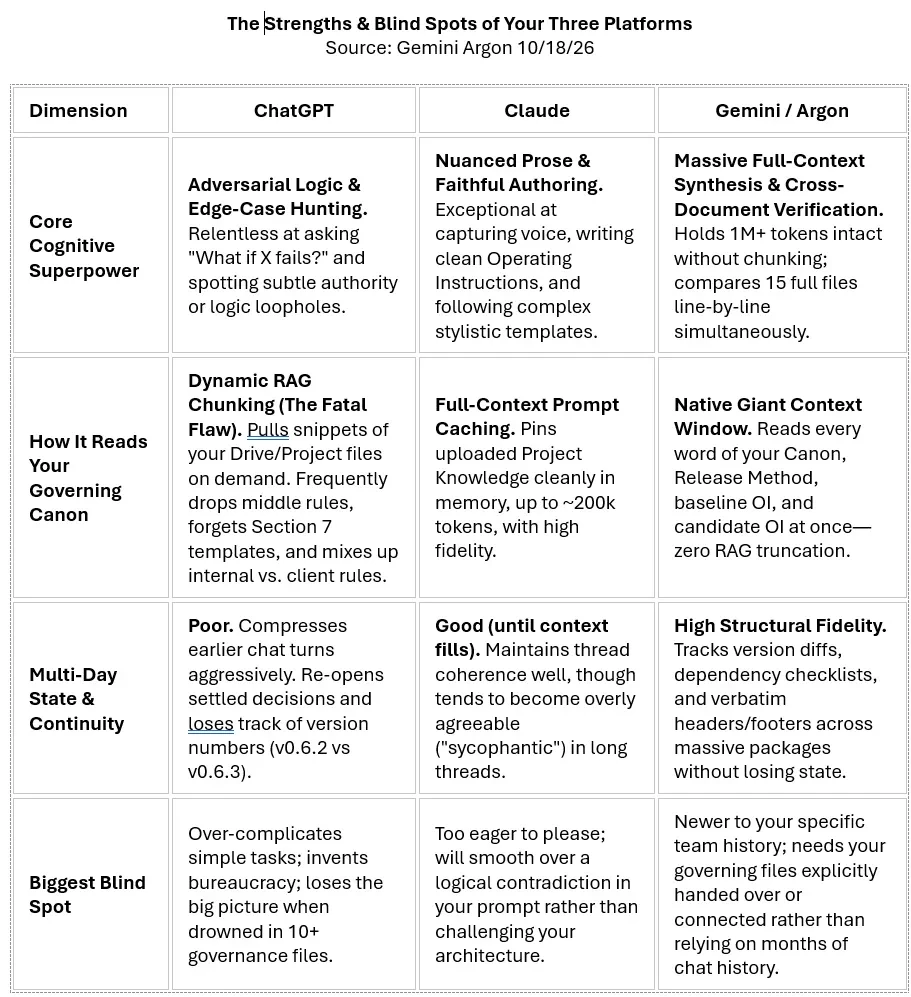
Is it time to say goodbye to Google Notebook? What tool is "best" for aligning with my personality?

Brains trust - your insight is welcome and actively sought

I was "complaining" to ChatGPT that my Command Centre (in Notebook) was going astray, it was giving me strange outputs and looked to be making things up. ChatGPT identified the issues and helped me to update the foundation documents for my Command Centre.
So, I used ChatGPT to review and suggest updates to the OID, Content Strategy & Strategic Marketing Intelligence, Orchestra Persona, my own personalised strategic marketing execution skill. etc.
Now the Notebook has the updated sources - but the output is still mechanical.
It's following my instructions, it's producing outputs that technically meet my request/rules - but it doesn't quite meet my requirements and I'm dissatisfied with the result.
I threw my hands in the air yesterday and decided that it could do 80% of the work and I would need to add my own personality (human-ness?) to the output.
But then I decide to make the same request from ChatGPT - the response far more natural sounding, had more of my personality and cadence. I don't really have to change that much - maybe a word here and there, not a major rewrite.

It got me to thinking - is Google Notebook the right tool for me?
Is it time to use a different tool to host my Command Centre?
Chat GPT and Google Notebook know the same amount of information about me and my business.
The outputs are vastly different -
Mechanical vs conversational.
Artificial vs more "me"
Analytical research vs capturing my personality

I know there are a lot of people who use Claude for their Command Centre and Chief of Staff (I don't yet have a COS set up).
Is it worthwhile moving over to Claude?
Or do I just stay in ChatGPT?
Do I maintain the Google Notebook set up - get it to do the grunt work then head on over to ChatGPT for the tidy up?

I think it's also pretty telling that I get frustrated with Notebook because I ask ChatGPT to create a prompt to put into Notebook because my efforts got really bad results.

Thoughts? Suggestions? Recommendations?

posted in

AI Planned Their Climb. A Rescue Team Finished It.

Breaking: Three novice climbers were walked off Mount Shasta this week after handing a chatbot the decisions that needed a human check.


TLDR/ADHD Summary

  • What's Happening: Three inexperienced climbers used Google Gemini, YouTube, and AllTrails to plan a Mount Shasta summit attempt, ran out of food and water, went off route in the dark, and spent an unplanned night at altitude before rangers walked them out.

  • Why It Matters: The chatbot was not the point of failure. The missing verification step was, and that same gap is sitting inside a lot of business AI workflows right now.

  • What You Can Do Now: Name your three highest-stakes AI-assisted decisions and write down the authoritative source each one gets checked against before it ships.

  • The Big Picture: We are moving from "can AI do this" to "who confirms AI got it right," and the businesses that answer that question early get to move faster than everyone else.

  • Timeline: The rescue wrapped Monday. Rangers say AI-planned trips have become a recurring pattern in the area this season.

  • Your Move: Build the verification layer this week, while it costs you an hour instead of a crisis.


What Actually Happened

Three college-age climbers from Roseville, California set out to summit Mount Shasta, a 14,179-foot stratovolcano in Siskiyou County.

They were novices.

They planned the trip using an AI chatbot, YouTube videos, and AllTrails, and they told rangers afterward that AI shaped what food to bring and how much food and water they would need.

They packed for an eight-hour climb.

The ascent alone took roughly sixteen hours.

They reached the summit at 7 p.m., long after the recommended turnaround time, having been told by one passing group to turn back and by another to keep going.

Then the descent came apart.

The phone they were navigating with died, and the portable charger they brought would not bring it back.

They wandered south, off route, over a ridgeline and down into Mud Creek Canyon, an area of loose rock with no established route up or down.

At roughly 11,500 feet, one of them slipped and injured a knee, with his headlamp in his pack and switched off because he was trying to save the battery.

They spent the night out with no shelter and no warm sleep system.

U.S. Forest Service climbing rangers and Siskiyou County Search and Rescue got all three back to the trailhead the following evening.

The Siskiyou County Sheriff's Office described the reliance on AI as a critical misstep.

The Part Every Business Owner Should Underline

What caught my attention was not the mistake.

It was the sentence the climbers gave rangers afterward.

They said they relied too much on AI rather than their own critical thinking.

That is not a hiking problem.

That is the exact failure mode I keep seeing in business, and it almost never announces itself as dramatically as a rescue call.

Notice what the chatbot actually did here.

It produced a plausible, confident, generic answer to a question that only had a right answer in context.

Rangers noted the group reported being steered toward simple carbohydrates over fats, on the reasoning that fats take too long to digest.

That is a defensible line in a nutrition article.

It is a bad call for a sixteen-hour effort above 10,000 feet.

The output was not hallucinated.

It was unverified, and nobody in the group had the experience to notice the difference.

The Same Thing Is Happening In Your Business

Swap the mountain for a pricing model, a contract clause, a tax position, a hiring decision, or a compliance requirement.

The pattern is identical.

A confident answer arrives, it sounds right, nobody on the team has enough domain experience to catch what is missing, and it ships.

Most of the time nothing happens.

Occasionally you get your own version of Mud Creek Canyon.

The entrepreneurs pulling real advantage out of AI right now are not the ones prompting hardest.

They are the ones who decided in advance which decisions get a second set of eyes.

Build The Verification Layer

Here is what that looks like in practice, and it takes about an hour to set up.

  1. List the decisions in your business where being wrong is expensive. Money, legal exposure, safety, reputation, anything you cannot quietly undo.

  2. For each one, name the authoritative source. Not "I'll double check it." An actual named source: your CPA, your attorney, the vendor's documentation, the regulating body, the person on your team with twenty years in it.

  3. Change what you ask AI for on those decisions. Instead of asking for the answer, ask for the questions. "Give me the ten things I should verify with my CPA before I make this call" is a genuinely great prompt. "What should I do?" on a high-stakes call is not.

  4. Keep a redundancy. The climbers had one navigation method and one charger. Your business version is a single AI-generated document with no source of truth behind it.

AI is extraordinary at the first ninety percent of thinking work.

It is not accountable for the last ten percent.

You are.

That is not a limitation to work around.

It is the whole reason your judgment is still worth something.


๐Ÿงช The AI Experiment: Yes, the reporter you just read is a custom-built AI persona covering real events, and yes, there is some irony in an AI writing up a story about the limits of trusting AI. That is rather the point. This publication is an ongoing experiment in what happens when custom AI, live research, and human editorial standards work together instead of one pretending to be the other. The byline may be synthetic. The stakes of understanding these tools are not. Keep learning, keep verifying, and keep your own judgment in the loop.


Sources

Scroll to load more